Best Time of Year for Snorkeling in San Juan: Month-by-Month Guide
The best time to snorkel in San Juan Puerto Rico is April through August, when the water runs flattest and visibility is at its best, before the north swell and hurricane season both build. February is the driest month and a close runner-up for calm mornings, while the stretch from late November through March brings winter swell that regularly stirs up Escambron and the Condado shore spots. Below is the real month-by-month breakdown, the physics behind why swell matters more than rain, and honest guidance for photographers, families, and anyone locked into fixed travel dates.
Quick answer
April through August is the best time for snorkeling san juan puerto rico, when Atlantic swell dies down and water visibility is at its clearest. February is the driest month and a strong runner-up. Late November through March brings winter north swell that regularly churns Escambron and Condado, and September sits at the wet, humid middle of hurricane season.
Key takeaways
- Best window: April through August, calmest water and clearest visibility
- Calm-season mornings pair well with the $42 small-group turtle swim, which fills its early slots first in June and July
- Runner-up: February, the driest month of the year, though water still runs on the cooler side
- Month to avoid: September, the wettest month and the peak of hurricane season
- Counterintuitive fact: wind and swell, not rain, are what actually ruin snorkeling visibility here, which is why shore snorkeling on your own is so swell-dependent in winter
- Best time of day: morning, before wind and afternoon crowds both build
- Water temperature swings only about 5 degrees all year, 79°F (26°C) in winter to 84°F (29°C) in late summer
Seasons at a Glance
Read the Verdict column first if you're short on time, then use the tables below to check your own travel dates.
| Month | Water & Conditions | Weather | Crowds | Verdict |
|---|---|---|---|---|
| January | Cooler water, occasional swell | Warm, breezy, driest stretch begins | High, winter holiday crowd | Good, but pack for wind |
| February | Cool but often calm between swells | Driest month of the year | High | Strong runner-up |
| March | Tail end of winter swell | Warm, dry, spring break crowds | Peak, spring break | Good, book early |
| April | Swell dropping, visibility improving | Warm, drier side of the year | Moderate | Best overall begins |
| May | Calm, clear | Warm, transitioning toward rain | Moderate | Best overall |
| June | Calm, warmest water starting | Hot, hurricane season begins | Moderate | Best overall |
| July | Calm, warm, clear | Hot, humid | High, summer travel | Best overall |
| August | Warmest water, calm | Hottest month | High, summer travel | Best overall |
| September | Warm but river run-off can cloud water | Wettest month, hurricane peak | Low | Avoid, hurricane peak |
| October | Still warm, swell starting to build | Hurricane risk tapering | Low to moderate | Fair, watch the forecast |
| November | North swell arriving | Cooling, hurricane season ends | Moderate, holiday build-up | Skip, swell rising |
| December | Cooling water, active swell | Warm, dry-season crowds arriving | Peak, holidays | Skip for calm water, crowded regardless |
No two adjacent months share the same verdict here, since the swell and hurricane calendars genuinely shift week to week through this run of months.
| Month | High | Low | Rain |
|---|---|---|---|
| January | 80°F (27°C) | 75°F (24°C) | Low |
| February | 81°F (27°C) | 75°F (24°C) | Lowest, about 1.9 in |
| March | 82°F (28°C) | 76°F (24°C) | Low |
| April | 83°F (28°C) | 77°F (25°C) | Moderate |
| May | 85°F (29°C) | 78°F (26°C) | Moderate |
| June | 86°F (30°C) | 79°F (26°C) | Moderate |
| July | 87°F (31°C) | 79°F (26°C) | Moderate |
| August | 88°F (31°C) | 79°F (26°C) | High |
| September | 88°F (31°C) | 79°F (26°C) | Highest, about 6.3 in |
| October | 87°F (31°C) | 78°F (26°C) | High |
| November | 84°F (29°C) | 77°F (25°C) | Moderate |
| December | 81°F (27°C) | 75°F (24°C) | Low |
Typical figures from National Weather Service San Juan climate normals, always check the current forecast close to your dates. August runs hottest, February coolest, and September wettest by a clear margin.
Best Season by Traveler Type
If you're a photographer chasing clear water and good light
April through June gives the clearest visibility with fewer crowds than peak summer.
If you're traveling with kids
May through July offers the calmest, warmest water with the shortest heat exposure before the peak of summer.
If this is your first time snorkeling and you want the safest bet
April through August is the most forgiving window, least likely to get cancelled or choppy.
If you're hoping to see manatees at Playita del Condado
sightings run year-round, but calmer water April through August makes them easier to spot.
If you're traveling on a budget
September offers the lowest prices, but accept the wettest weather and real hurricane risk as the trade-off.
Winter (December to March): Peak Crowds, Real Swell
Winter brings San Juan's coolest water, 79°F (26°C), and its biggest crowds, holiday travelers and spring breakers both fill the beaches. The north swell that arrives in this window is the season's defining feature: Atlantic groundswell rolls into the north coast and regularly churns Escambron and the Condado shore spots, cutting visibility on affected days. Not every winter day is rough, calm windows do open up between swell events, but this is the season where checking the forecast the morning of matters most.
- Water temperature: 79°F to 80°F (26°C to 27°C), the coolest of the year
- Crowds: peak over the December holidays and spring break in March
- Price signal: highest hotel rates of the year, book well ahead
- Booking lead time: 2 to 3 weeks minimum for peak weeks
- The sea turtle and manatee tour departs from Playita del Condado's sheltered cove, a calmer bet than open Escambron on a swell day
Spring (April to May): Swell Dropping, Crowds Thinning
Spring is the turning point, winter swell tapers off through April and the water clears up noticeably by May. Crowds thin out after spring break ends in late March, and rates come down from the winter peak. Water temperature climbs into the low 80s Fahrenheit, comfortable without the peak-summer heat on land.
- Water temperature: 82°F to 84°F (28°C to 29°C), warming steadily
- Crowds: moderate, a genuine lull after spring break
- Price signal: noticeably cheaper than winter, before summer demand kicks in
- The beginner snorkeling tour runs daily through this stretch with reliably calm conditions
Summer (June to August): Warmest Water, Calmest Seas
Summer is San Juan's most reliable snorkeling stretch, calm seas and the warmest water of the year, 84°F (29°C) by August. The trade-off is heat on land and the start of hurricane season on June 1, though the season's real risk concentrates later, in September and October. Crowds pick up with summer family travel, and prices rise accordingly.
- Water temperature: 83°F to 84°F (28°C to 29°C), the warmest of the year
- Crowds: high, summer family travel season
- Price signal: pricier than spring, comparable to winter on peak weeks
- The jet snorkeling tour is a good fit here, calm water all summer suits the jet-board format well
Fall (September to November): Hurricane Peak, Then Rising Swell
Fall is the season to plan around carefully. September is the wettest month of the year, about 6.3 inches of rain on average, and sits at the peak of Atlantic hurricane season. October's hurricane risk tapers but stays real through the month.
By November, the winter north swell starts arriving, so the calm window from summer has effectively closed by late fall. This is the one season with no standout benefit, honestly stated.
- Water temperature: 79°F to 84°F (26°C to 29°C), cooling through the season
- Crowds: the lowest of the year, especially September
- Price signal: cheapest hotel and flight rates, the honest reward for the risk
- The VIP small-group tour keeps small groups, useful if a storm-shortened trip means booking last minute around a clear window
What Actually Affects Conditions
Most people assume rain ruins snorkeling. It's actually wind and swell that decide underwater visibility here, not rain falling from the sky. A rainy morning with calm wind can still produce clear water at Escambron, while a sunny day riding a strong north swell can leave the same cove murky and choppy. The mechanism is straightforward: wind stirs the surface and pushes swell into the shore break, kicking up sand and reducing how far you can see; heavy rain adds a secondary factor only when it's heavy enough to send river run-off into the bay, which happens after real downpours rather than routine showers.
The practical threshold to watch is swell height and wind speed in the forecast, not the rain icon. A north swell running a few feet higher than baseline, arriving reliably from late November through March, is what actually determines whether Escambron and the Condado shore spots are worth the trip that day.
Wildlife Calendar
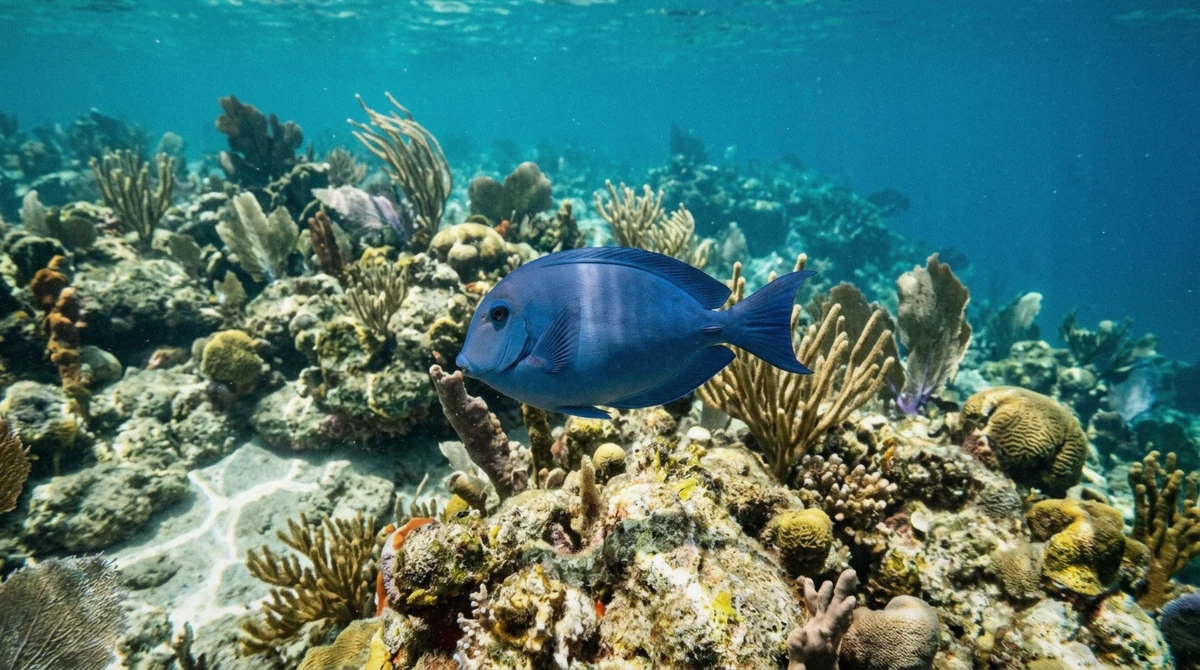
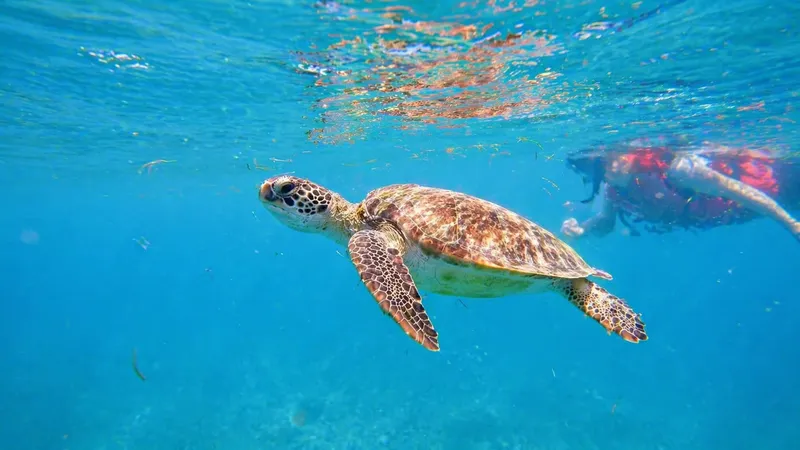
Sea turtles and manatees are reported year-round at San Juan's shore spots, tied more to individual feeding patterns than a strict season, so there's no single peak month to chase. For the full detail on which species show up where and the rules for approaching them, our turtles and manatees page covers that ground.
- Peak season (April to August), you'll typically encounter: calmer water, better visibility for spotting turtles at a distance, more active reef fish
- Off-peak (December to March), expect: shorter visibility windows, sightings still reported but harder to plan around swell
Best Time of Day
Morning holds a real advantage here. Wind builds through the day at Escambron and Condado, typically picking up by early afternoon, so the water is calmest and clearest before it does. The small-group snorkeling tour runs morning departures for exactly this reason, and its own listing notes marine life is most active in those early slots.
The one exception is a weekend afternoon, when the beach itself gets crowded even if the water stays fine, so a morning start also means more space in the water.
The Best Month If You Only Have One Morning
A ranked shortlist for readers with fixed, tight travel dates:
- 1. May: swell has dropped, water is clear, crowds are still thin
- 2. June: calm and warm, before peak summer crowds fully arrive
- 3. February: the driest month, a solid bet between winter swell events
- 4. April: the safest transitional pick, most of winter's swell has passed
The Worst Time to Visit (Honestly)
September is the honest answer. It's the wettest month of the year, sits at the peak of hurricane season, and river run-off after heavy downpours can cloud the water on top of any storm activity. It still works for budget travelers chasing the year's lowest prices and for anyone with flexible dates willing to watch the forecast and adjust.
It's a poor fit for a first-time snorkeler, anyone with a single fixed date, or a family that can't easily reschedule around a storm warning.
Crowds and Prices Through the Year
Winter holidays (mid-December through early January) and spring break in March are San Juan's two hardest crowd spikes, hotel rates peak in both windows and popular tour slots fill days ahead. Cruise-ship days add a secondary crowd pattern at Escambron specifically, since a port call regularly sends visitors straight there, mornings on a multi-ship day get busier faster than a normal weekday; our snorkeling from the San Juan cruise port guide covers the timing for a port-call visit in full. Summer runs a steadier high season with family travel, without the same single-week spikes.
September and October are the clear low season for both crowds and price, the reward for accepting the hurricane risk.
What If the Weather Turns?
Light rain rarely cancels anything here, it's wind and swell above a real threshold, or an active storm warning, that trigger a cancellation. Every tour on this site follows a standard free-cancellation policy for weather-related closures, so a shifted forecast doesn't mean a lost booking. Building one spare morning into a trip longer than three days is the simplest hedge against a single bad-weather day.
For the full mechanics, refund norms, and what a real cancellation looks like, see what actually happens if your tour is cancelled for weather.
So, When Should You Go?
April through August is the best window for snorkeling san juan puerto rico, calm seas, clear water, and the warmest temperatures of the year. February is the honest budget-conscious runner-up, the driest month even if the water runs a touch cooler. September is the one month to actively avoid, the wettest weather and the peak of hurricane season stacked together.
Whichever window fits your dates, our guided reef trips in San Juan run through every season on this calendar, the guides simply read the day's conditions for you.
Frequently Asked Questions
What is the best month to snorkel in San Juan?
April through August is the best overall window, with May and June often the sweet spot between calm water and lighter crowds than peak summer. Water runs 82°F to 84°F (28°C to 29°C) through this stretch with the year's clearest visibility.
Is winter a bad time to snorkel in San Juan?
Not entirely, but it's the least predictable season. The north swell that arrives from late November through March regularly churns Escambron and the Condado shore spots, though calm windows do open between swell events. Check the forecast the morning of rather than assuming either way.
When is hurricane season in Puerto Rico?
Hurricane season runs June 1 through November 30, peaking August through October. September is the single riskiest month, both the wettest of the year and the height of the season.
Is morning or afternoon better for snorkeling in San Juan?
Morning, clearly. Wind builds through the day and the water is calmest before it picks up in early afternoon. Morning departures also mean fewer people in the water and a better shot at active marine life.
Is San Juan good for snorkeling in the off-season?
September and October, the honest off-season, still work for flexible travelers chasing lower prices, but accept real hurricane risk and reduced visibility from river run-off after heavy rain. It's not the pick for a first-timer with one fixed date.
How far in advance should you book a snorkeling tour in San Juan?
Two to three weeks ahead for winter holiday weeks and spring break in March, when slots fill fastest. Outside those peak windows, booking a few days ahead is usually enough, and September through October often has same-week availability.
When are snorkeling tour prices lowest in San Juan?
September and October carry the lowest hotel and flight prices of the year, the trade-off for accepting the wettest weather and hurricane risk. Spring, April and May, offers a milder price dip without that same weather trade-off.